The Truth About Going DIY with Vehicle Customizations
Customizing a car, especially a teen’s first ride, is an exciting opportunity to show personality and take pride in ownership. From window tinting to vinyl wraps, the internet is full of tutorials promising a quick and affordable way to do it yourself.
But just because you can do it yourself doesn’t mean you should.
At Wicked Wraps, we regularly meet parents and teens who come to us after a DIY job goes sideways, peeling vinyl, bubbled tint, or worse, costly damage that could have been avoided with professional care.
If you’re considering whether to do it yourself or hire a pro for your teen’s first car customization, this guide will help you make an informed, confident decision. We’ll cover the benefits, risks, and best practices so you can make an informed, confident decision.
The Appeal of DIY Car Mods (and Where It Works)
There’s no question: the DIY path feels empowering, especially for teens who want to express themselves or get hands-on with their first car. It’s also perceived as budget-friendly, with thousands of kits and how-to videos available online.
Common DIY Modifications:
- Adding light kits or LED accents
- Installing seat covers or steering wheel wraps
- Applying decals or stickers
- Light cleaning and detailing
- Entry-level vinyl overlays (small emblems, trim pieces)
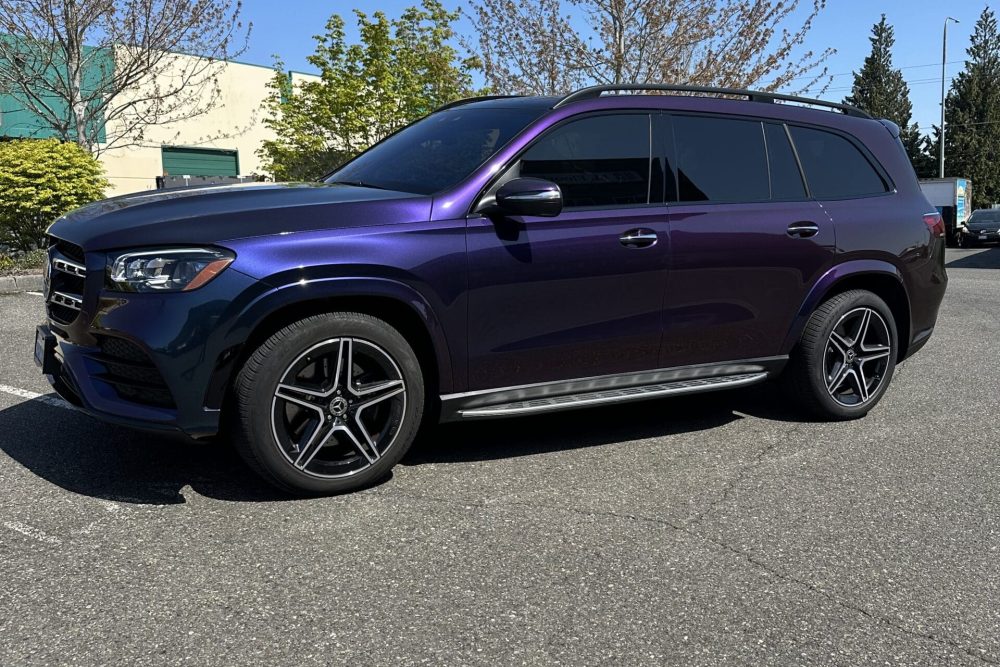
These small, cosmetic modifications can be good DIY starters—as long as they don’t involve safety components or require specialty tools. Parents should still supervise and ensure the products used comply with Washington State laws, especially regarding visibility and tint.
But once you move beyond the basics, the stakes get higher, fast.
The Risks of DIY for Complex Mods Like Tint or Wraps
While YouTube and social media make full vehicle wraps or tint jobs look simple, they rarely show what happens when things go wrong. Incorrect application of wraps or tint doesn’t just look unprofessional; it can lead to permanent damage or safety issues.
Common DIY Issues:
- Bubbling and peeling due to improper prep or installation
- Legal non-compliance (e.g., illegal tint darkness)
- Paint damage from low-quality vinyl or improper removal
- Reduced resale value from visible flaws
- Poor visibility from uneven tint or fogged windows
Window tinting in particular is regulated under Washington tint laws, which require a specific level of light transmission. DIY kits rarely come with light meters or compliance certification, making it easy to unintentionally break the law.
Likewise, full vehicle wraps require professional tools, clean environments, and advanced techniques to contour to body panels and avoid trapped air, creases, or dirt under the film.
Related Reading: Washington State Tint Laws: What Parents and Teens Must Know
The Professional Advantage: Skill, Compliance, and Warranty
Choosing professional installation for your vehicle wrap or tint offers peace of mind that DIY can’t offer. Certified installers don’t just make your car look better, they protect its value and legality.
Why It Pays to Go Pro:
- Certified Compliance: Pro installers understand state laws, including tint VLT percentages and reflectivity regulations.
- Surface Prep: Professionals use industry-approved cleaners, heat guns, and surface treatments to ensure adhesion.
- Clean Environments: Dust and humidity can ruin a tint or wrap. Shops have controlled spaces to eliminate these risks.
- Manufacturer-Backed Warranties: Most pro installations come with coverage against peeling, fading, or bubbling.
- Time and Quality: Professionals can complete a job faster and with better results than a first-time DIY effort.
Explore Our Vehicle Wrap Services
Letting your teen’s first experience with customization be guided by a seasoned expert sets the right example for long-term vehicle care and helps avoid preventable costs.
Is DIY Really Cheaper?
At first glance, DIY car mods seem cheaper, especially when you’re browsing kits online or watching how-to videos. But when you add up the tools, time, and risks involved, the cost advantage can disappear quickly.
Hidden Costs of DIY:
- Rework and Repairs: A bad tint or wrap job must often be removed and redone — sometimes by a professional anyway.
- Tools and Materials: Most DIY kits require tools you’ll only use once and may not come with everything you need.
- Legal Risks: Mistakes like illegal tint levels or improper wrap placement can lead to citations or inspection failures.
- Resale Impact: Visible bubbles, peeling, or paint damage from DIY mods can lower a car’s value.
How to Decide: DIY or Pro? A Smart Framework
If you’re still unsure whether to tackle a modification yourself or hire an expert, here’s a simple decision-making checklist:
DIY Might Be Okay If:
- The mod is low-risk, cosmetic, and reversible
- Your teen is supervised and prepared to learn
- You’ve researched state laws (especially tint)
- You’re willing to re-do the job if it goes wrong
Hire a Pro If:
- The mod affects visibility or safety (e.g., window tint)
- You’re wrapping a large area or full vehicle
- Legal compliance is involved
- You want guaranteed results and warranty coverage
As a parent or teen driver, you don’t need to choose between creativity and responsibility. With the right guidance, your first customization project can be a win on all fronts: style, safety, and longevity.
Your First Mod Should Be a Success Story: Not a Setback
Modding your first car should be exciting, not stressful. Whether you choose to DIY or go pro, the key is knowing your limits, staying within the law, and prioritizing long-term results over quick fixes.
At Wicked Wraps, we believe in helping families make smart, informed decisions, so teens can enjoy their vehicle while protecting their safety and investment.
If you’re ready to explore vehicle wraps, tint, or protective customizations that look amazing and last, we’re here to help.
Schedule a Free Consultation Today or visit our Services Page
FAQs: DIY vs Professional Car Mods
Can I wrap my own car at home?
Technically yes, but wrapping a car requires precision tools, clean conditions, and experience. Mistakes can damage paint or result in bubbles and peeling.
Is DIY window tint legal in Washington State
DIY tint is legal as long as it complies with state VLT regulations (24% light transmission or higher on front windows). Most DIY kits don’t provide a compliance sticker or certificate.
How long does a professional vehicle wrap last compared to a DIY one?
Professionally installed wraps typically last 5–7 years. DIY wraps may start peeling or fading within months if not applied correctly.